Newark Liberty Airport
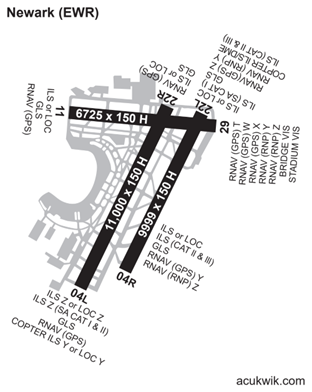
The model above shows Newark Liberty International Airport (KEWR), originally opened in 1928 as “Newark Metropolitan Airport”, and now considered to be one of the United States’ major commercial airports. The 2 runways to the left of the terminals, 29 and 11, are used rarely only during a shift in wind direction, with the 4 parallel runways: 22R, 4L, 22L, and 4R being used majority of the time.
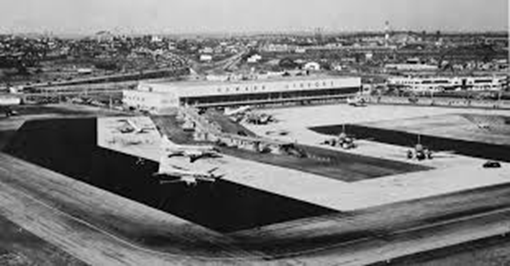
EWR 1950-1970
Its first air traffic control tower began operation in 1948, managing more flights during the US’s aviation industry’s era of growth following World War II. A more modern 325-foot control tower was commissioned in 2003, supporting a busier and more congested airspace of the New York/New Jersey territory. KEWR’s original terminal layout included Terminals A, B, and C, with the old Terminal A opening in 1973, later handling majority domestic and some Canadian flights for carriers: JetBlue, Air Canada, American Airlines, and some United Express services.
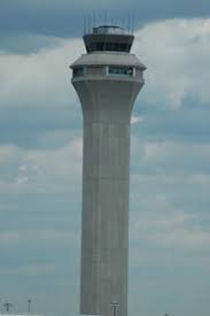
New Tower
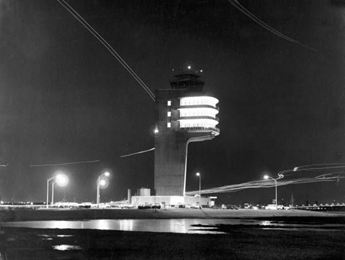
Old Tower
Beginning in the late 2010s, the Port Authority of New York and New Jersey began a modernization initiative, beginning construction on a newer Terminal A, a 1 million-square-foot, 33-gate common-use facility, opened in 2023, fully replacing the outdated 1973 terminal. The newer Terminal A facility included more amenities for travelers, modern technology, and greater terminal capacity. The 2023 Terminal A now services the majority of Newark Liberty’s domestic flights, with only some international flights from Delta Airlines, Air Canada, American Airlines, JetBlue, and United Airlines. Today, Terminal B handles a mix of domestic and majority international arrivals, while Terminal C largely serves United Airlines’ both domestic and international flights.
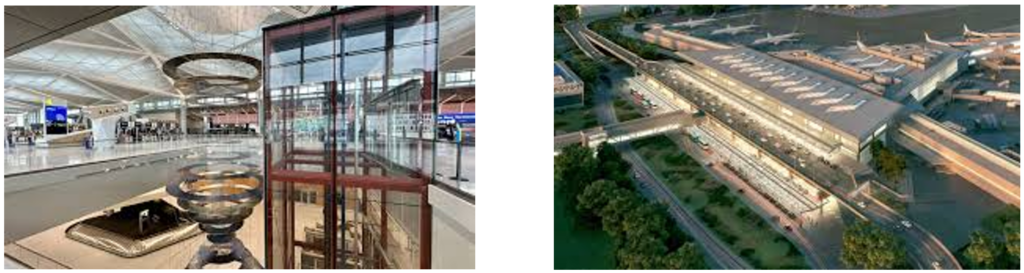
Interior: New Terminal A Exterior: New Terminal A
The Standard J-1 Biplane
The Standard J-1 Biplane was an American military training craft that was introduced in 1916 by the Standard Aircraft Corporation, during an era in which the U.S. was seeing its aviation industry grow rapidly after the nation entered World War I. After the U.S. declared the beginning of its involvement in WW1 in April 1917, the J-1 became one of the first aircraft procured in large numbers to meet a growing demand. It is specifically known for serving at newer (at the time) established training fields like Kelly Field, TX and other military flight training schools across the country. The J-1 was powered by a 100-horsepower Hall-Scott A-7 engine and mainly intended to teach cadets the fundamentals of takeoffs, landings, turns, and other in-flight maneuvers.
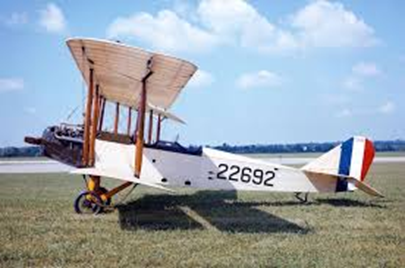
The J-1 Biplane
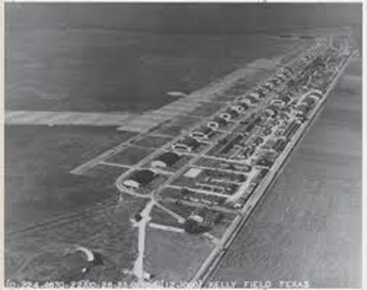
Kelly Field, TX
In 1917 and 1918, the J-1 helped train thousands of cadets during the fast growth of the U.S. Army Air Service. The aircraft did however become controversial due to safety concerns, as the placement of its main fuel tank increased the risk of fuel spilling into the cockpit area in event of a crash. This design flaw earned the aircraft criticism from trainees and instructors alike and contributed to its gradual replacement by more reliable trainer crafts like the Curtiss JN-4.
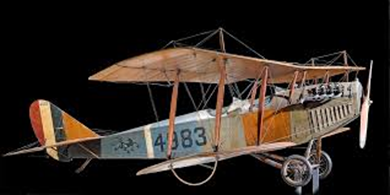
Curtis JN-4
Despite its issues, though, the J-1 Biplane played a large role in American aviation history! Although it’s often overshadowed by popular combat aircraft of the early 1900’s, the J-1 contributed to the creation of the trained pilot corps in 1917–1918, making it a key stepping stone in the development of American military aviation.